



The Ultimate guide for a Garden Sprayer
Although late, Spring is finally here. To make sure that our gardens are at their best possible displays, we need to make sure that the plants and lawn are well looked after.
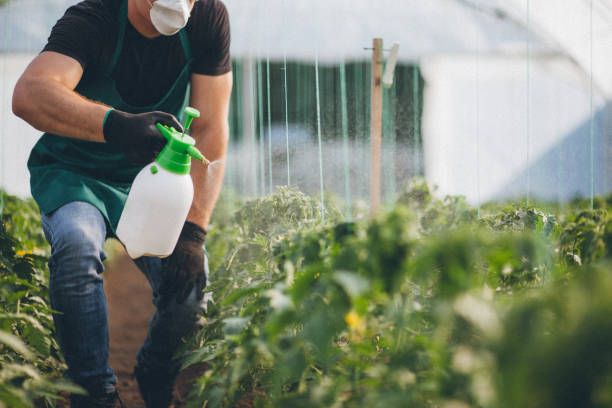
A handy and convenient way to correctly feed liquid fertilisers to your plants is by using a garden sprayer.
If you are wondering if a Garden Sprayer will be truly useful for you or how to choose one that suits your needs, please continue reading…
Why should I buy a Garden Sprayer?
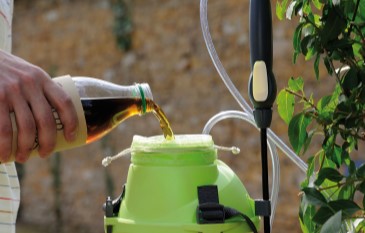
- Accurate measurements – The mixing proportions needed for a good quality garden treatments (Herbicide, Liquid Fertiliser or Insecticide) can easily be achieved with the graduations provided on the garden sprayers.
- Focussed coverage to reduce wastage – A garden sprayer helps to spray the liquid within the defined area based on the requirement. You may choose between a fine mist for a wider coverage or a pinpointed stream for a spot treatment. This helps to use the exact amount needed without causing wastage.
- Controlled release - With a garden sprayer you can easily control the quantity of the liquid dispensed and stop spraying without contacting the chemicals.
- Effortless spraying – The different types of spray pattern in garden sprayer can used to spray based on the need such as spraying underneath leaves.
Recommendation:
We recommend having separate dedicated sprayers for garden fertiliser and for weed killers. To avoid any accidental mix up during use, these units must be appropriately labelled for identification.
What are the most common types of Garden Sprayers?
- Pressure sprayers or Tank sprayers – This is the most used Garden Sprayer type. As the name suggests, this type of unit includes a tank to mix the treatment liquid. Pumping the handle few times pressurises the air within the container. A control lever on the wand is then used to dispense the product as needed.
Pressure sprayers come in varied sizes i.e., capacity, ranging between 1L to 8L. A garden hence needs to take into consideration the intended job to use the sprayer and the size of your garden. For instance, big sprayers are not suitable for indoor needs as they will eject larger volume of the solution than required.
- Knapsack sprayers or Backpack sprayers – As the name says, this type of sprayers can be carried on your back with the help of a harness. A knapsack sprayer is used for efficiently covering a larger area. The container size of such sprayers is designed for larger capacity typically 12L or 16L.
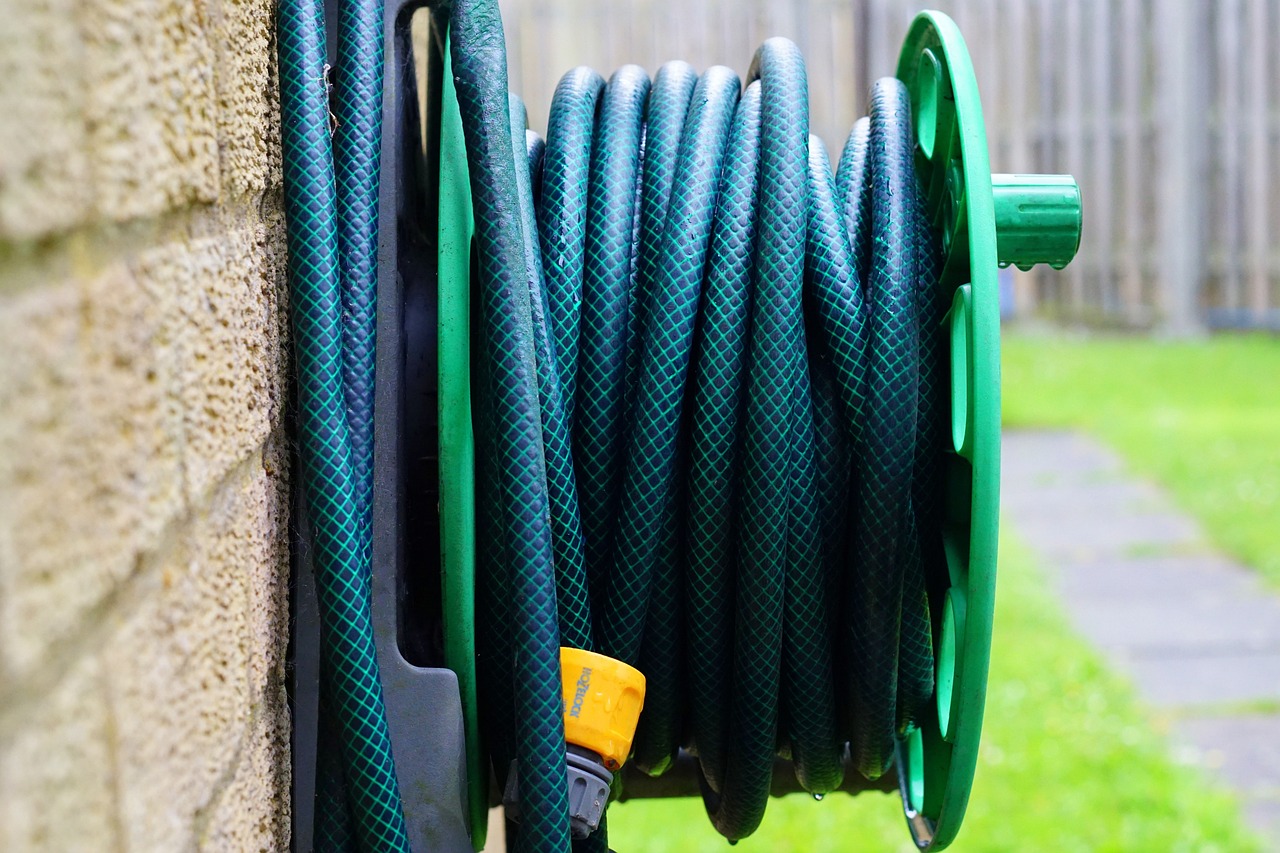
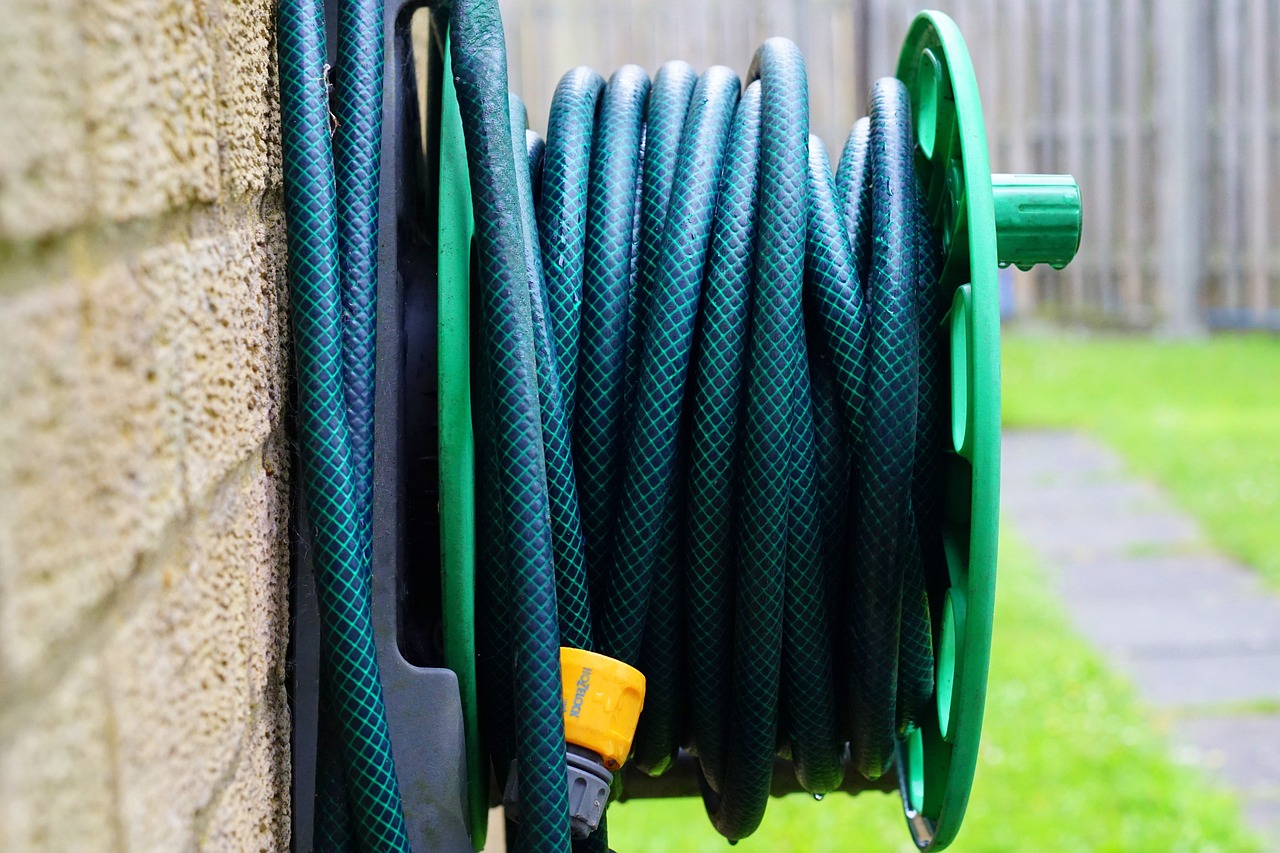
- Hose end sprayers – These units are attachable to the end of the hose. The smaller sprayer bottle in this case holds the concentrate liquid and the water from the hose mixes with this concentrated solution, therefore, diluting it while spraying.
Tips for Garden Sprayer maintenance:
- Ensure that the sprayer bottle is fully depressurised prior to carrying out any maintenance works on the sprayer
- Always ensure that the sprayer bottle is not filled over the maximum fill level.
- Clean the sprayer unit after every use with fresh water and spraying out the water through the discharge hose and spray wand, like you would if spraying.
- Regularly lubricate the pump O-ring to avoid air leak air which will reduce the maximum pressure in the sprayer container.
- Ensure that the solution being sprayed is at room temperature.
- Never store the sprayer pressurised.
- Never store the treatment agent inside the sprayer.
- Clean the trigger after every use to avoid build-up of sediments.