



Grow your own veggies, the easy way
Grow your own veggies, the easy way
Not all veggies are made equal, and certainly not the way they grow! If you are a beginner and want to keep things simple, then keep reading. Here are few expert tips on how to kick start your veggie patch idea..
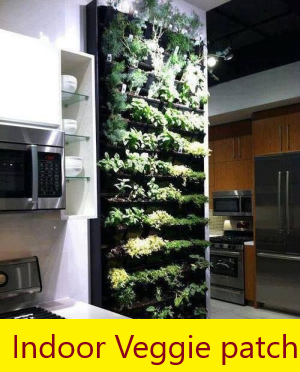
1) Select a spot for your new veggies – outdoor & indoor both can work, depending on what you need !
Don’t be too picky to start with.
Either a manageable vegetable patch or a few raised beds in your garden or, if you don’t have space outside, two to three large pots or tubs on the deck or close to the kitchen door would be ideal starting points.
How much sunlight your plants can get during the day will determine what you can plant. Picking a location that gets at least five to six hours of sunlight a day. This means you can plant almost anything. However, there are lots of plants that can still grow in partial sunlight or even partial shade.
It's important to make sure the spot or pot you pick has good quality soil in it, as this will help your vegetable garden retain nutrients and hold water for long enough to grow. To make it easier for yourself down the track, you should also try to pick a spot that has easy access to a source of water.
2) Decide what veggies you want to grow – knowing their seasons will help
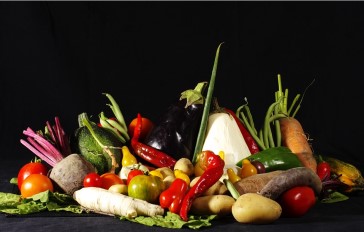
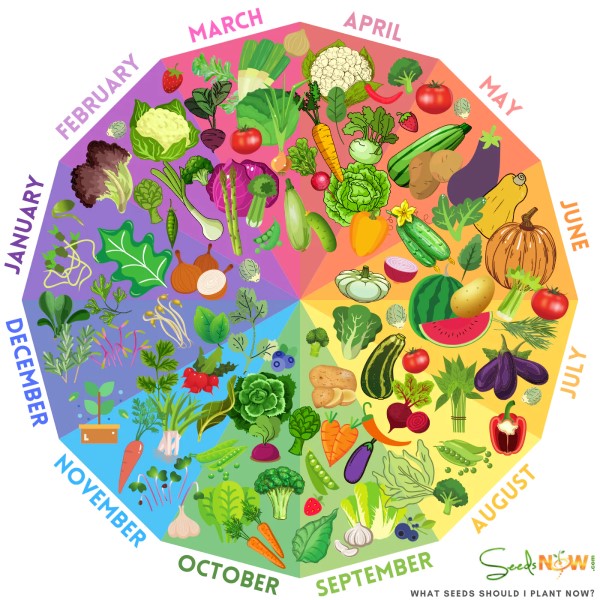
Now that you've picked a spot or a pot, and you know how much sunlight your patch will get, you can decide what to plant. The plants you choose will also come down to which season it is and what you'd like to grow. It’s not a bad idea to find inspirations by thinking outside the box. There is no right or wrong if you stick to the plant-season idea!
Most veggies are seasonal – they reach maturity at only certain times of the year. Tomatoes, for example, are at their peak over summer, that means there’s a best time of the year to plant, so they mature at the right time. Good gardening involves a bit of research and planning, so get yourself a diary or calendar and pencil in the times when you should be sowing seeds and planting seedlings or young trees and then harvesting.
3) Plan & design your veggie patch
Depending on how big or small your vegetable garden will be, you may need to put some effort into how you design it. Make a rough plan including where your home is, existing structures and any paving. Also mark how much sunlight each part of the garden will get, as this might change where you plant certain vegetables
4) Select where you want to plant them
There are many ways to plant your vegetables. You can use garden beds, raised garden beds, wall planters, timber planters, vertical gardens, or pots. There are no limits
5) Check your soil – do a soil squeeze test
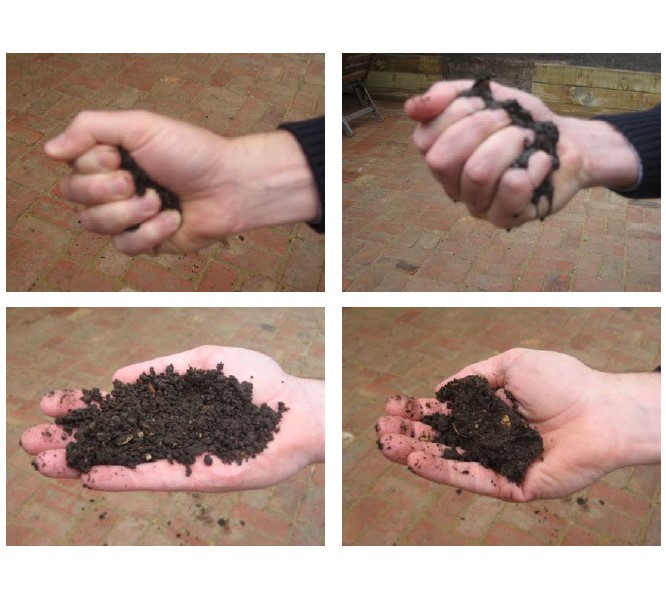
Getting to know your soil is the key to success. A simple “squeeze test” of a handful will quickly tell you whether your soil is mainly clay, sand, or loam. For the squeeze test to work properly, the soil will need to be damp, but not too wet. Squeeze it, then open your hand. If it begins to fall apart as your hand opens, it contains a lot of sand, is probably low in nutrients, and does not retain moisture very well. If it holds together and doesn't fall apart easily even if you jostle it around and tap it with your finger, it likely contains too much clay. If it is somewhere in between, meaning it will mostly hold its shape unless you tap it, it's loamy and you're off to a good start. It will also help determine whether you’ll need to add anything to the soil before you start sowing your crops.
Potatoes, carrots, and onions will do reasonably well in heavier soils but on the other hand for peas and beans, you might be better using a raised bed or containers filled potting mix and compost mix
6) Boost your soil
Give your garden soil a boost by adding a generous layer of natural organic-based compost to the soil before planting. Alternatively, fertilisers can be added to help nourish your newly planted fruits and vegetables.
7) Plant your vegetables
Once you’re done preparing your soil and then plant your seeds or seedlings. When you go to plant your seeds or seedlings, make sure you turn the soil over with a square-bladed spade. This will loosen the soil, help it aerate and give enough room for the roots to grow and spread.
A good tip when growing vegies is to rotate your crops by not planting the same vegetable in the same place each year. This will discourage pests and diseases that could appear from a certain vegetable. P
8) Watering plants
Plants need water to enable them to transform sunlight and nutrients into the food they need to grow. Some plants need more water than others, so keep an eye on them and watch for signs of wilting. Be extra vigilant when the weather is warm, and days are sunny or windy. Avoid watering in the middle of the day – stick to the early morning or late afternoon/early evening when the sun isn’t as intense.
9) Taking care for your vegetables
When vegetable garden is thriving, you should keep it regularly fed using organic fertilisers. Best if you can consider using your own compost instead.
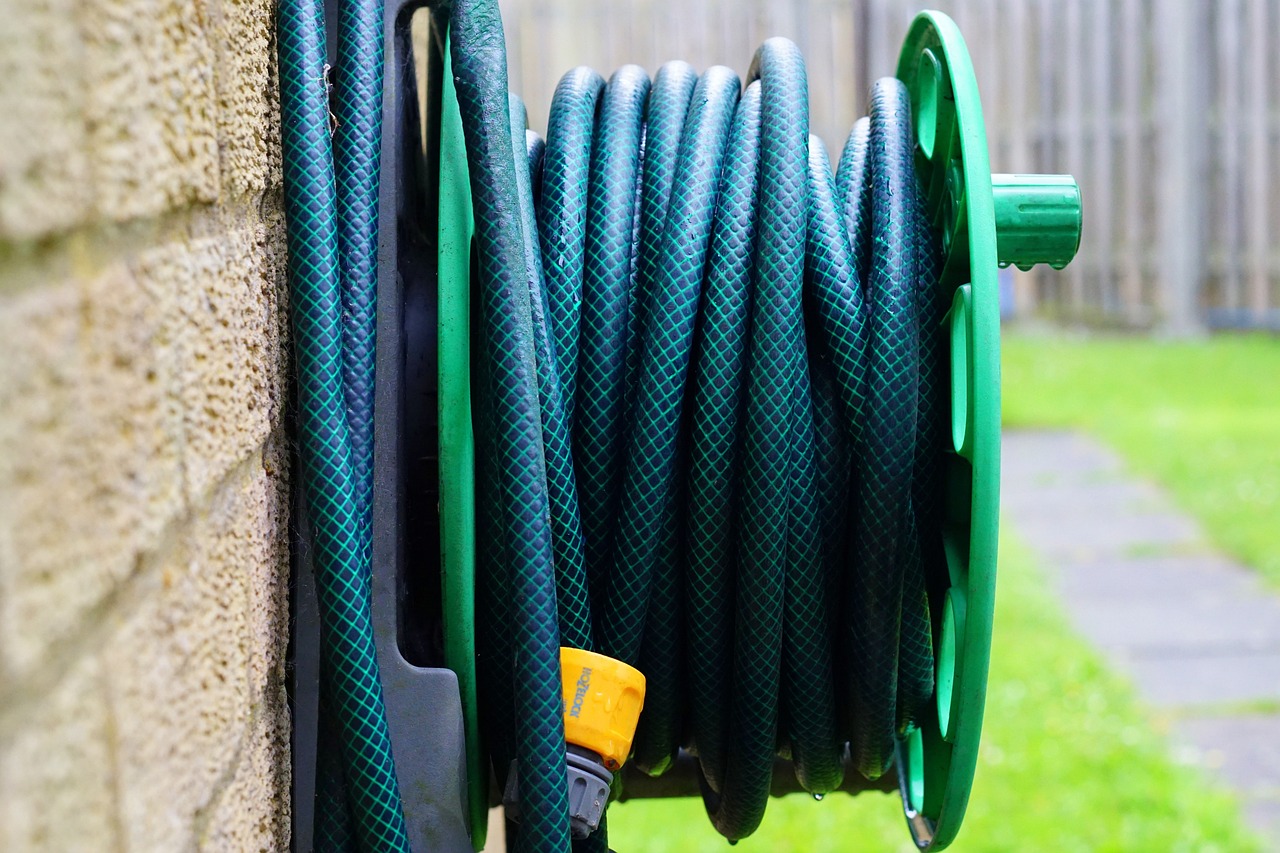
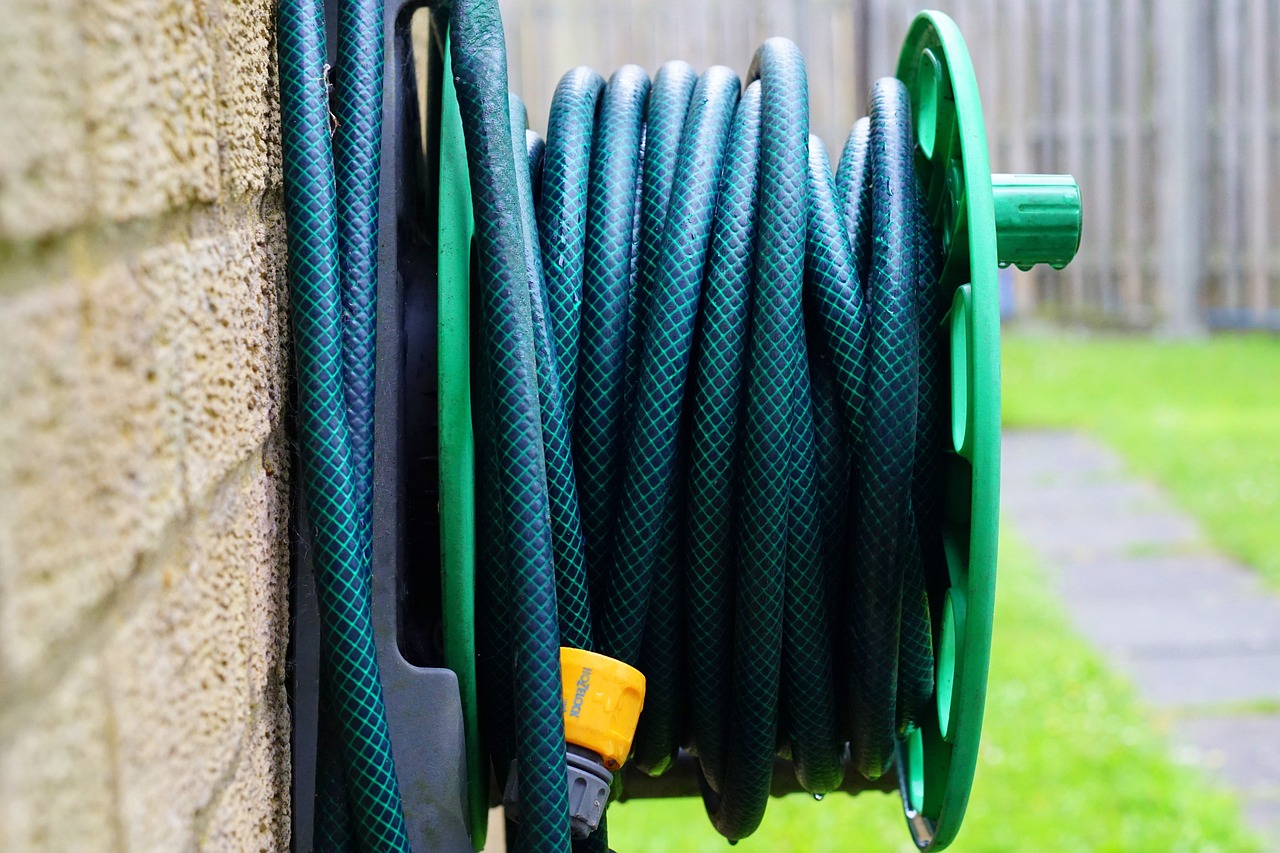
Plants will also need watering all year round. You can do this yourself every day with a watering can, automate a garden irrigation system or install pop-up sprinklers.
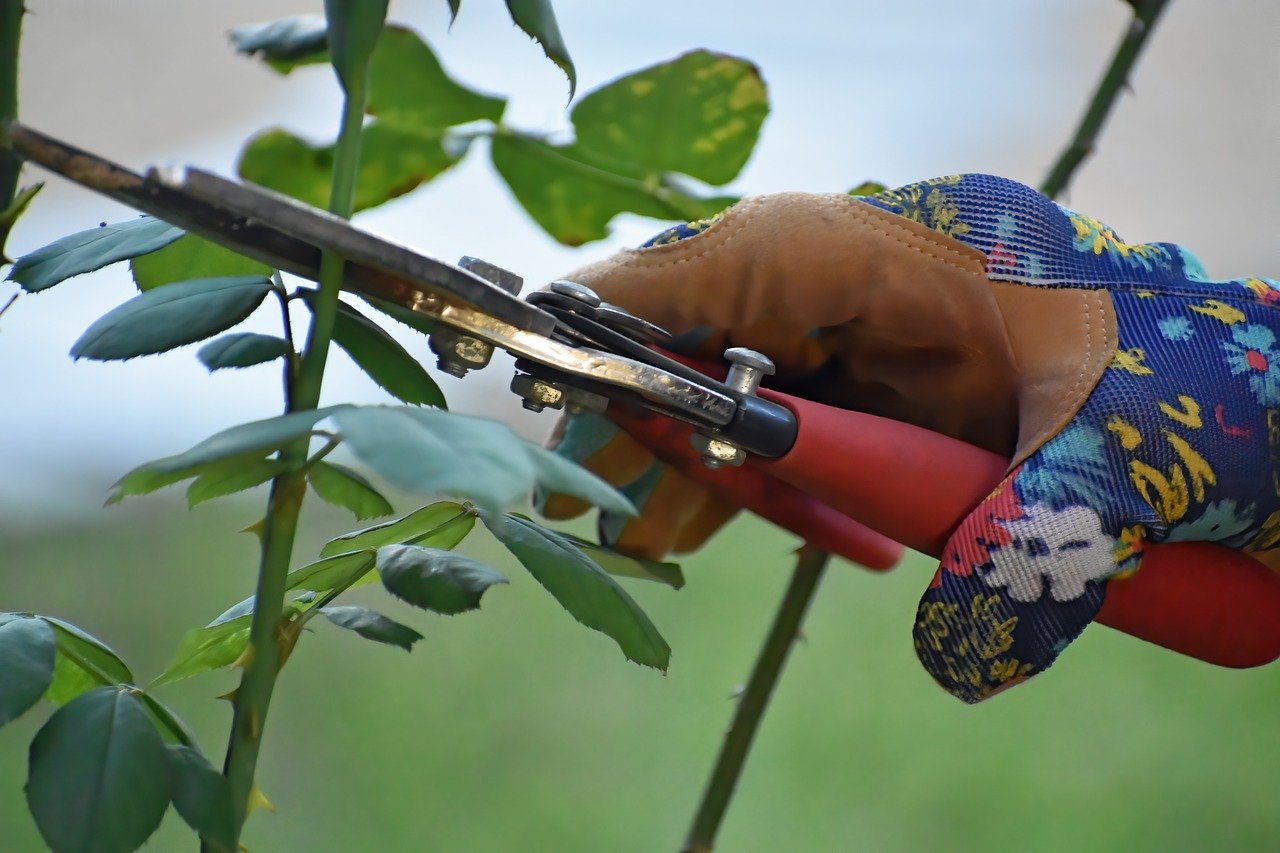
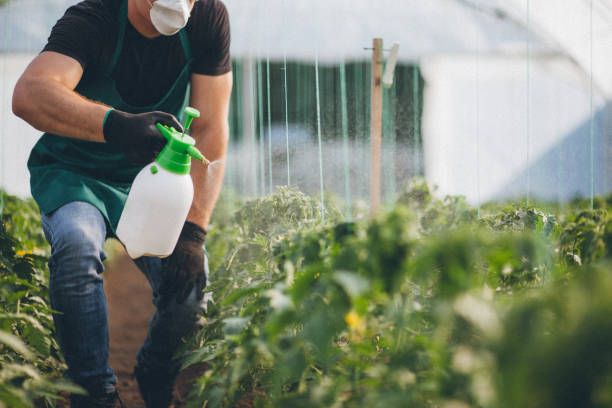
Make sure your you protect your vegetable garden from pests and remove weeds regularly
10) Harvest time
When mature or ripe, some crops can be left in the ground or on the plant for a short time until you’re ready to eat them. Others will be tastier if harvested as soon as they’ve ripened. Picking time can be critical for some crops, so keep a close eye on them as they ripen. If you think a crop is ready but you’re not quite sure, let your taste buds decide.
11) Have a good healthy time
The veggies bought from big supermarkets has travelled a long way to reach us. Vegetables contain the maximum nutritional value the moment they are harvested. The longer they are in storage the more their nutritional value deteriorates. You can cut the “food storage time” to zero by growing your own. It will be super fresh, picked at the peak of ripeness and in season - which means it’s likely to be incredibly tasty. What’s better than eating the food you grow in your own backyard or space.