





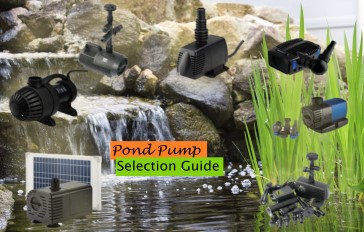
Pond Pump Selection Guide
When choosing a pond pump there are few parameters that needs to be considered before you finalise the pump. We have put together a guide that will help you make the right decision.
Submersible or Inline :
Submersible pump, like the word suggests, can be fully submerged inside a pond, so there is no worries about incoming water supply line as the pump is immersed in water completely.
On the other hand, the Inline pumps can be place outside the pond. However, it needs to be made sure that the pump is flooded (filled with water) all the time when in use or otherwise. If the pump isn’t flooded, then it may not be able to pump water and in some cases may even damage the pump.
Most of the pump available at Rock Around The block can be either used an Submersible or In-line pump.
The most popular choice among pond enthusiasts is the submersible version of pumps, as they are easy to use and are less expensive to set-up.
Pump voltage:
The pumps are generally categorised as Low voltage and 240v pumps. Whilst both can be directly plugged in to an electrical wall outlet, the Low voltage version comes with a transformer, which converts the power to a low voltage, either 12v or 24v, as the case may be.
The choice between 240v and low voltage really comes down to choice. Some prefer to work with low voltage as its low current involved and safer to work with. However low voltage pumps do suffer from voltage drop if they are expended beyond their limits. For e.g., the pumps at Rock Around The Block, can be extended up to 50m or sometime even 60m without voltage drops.
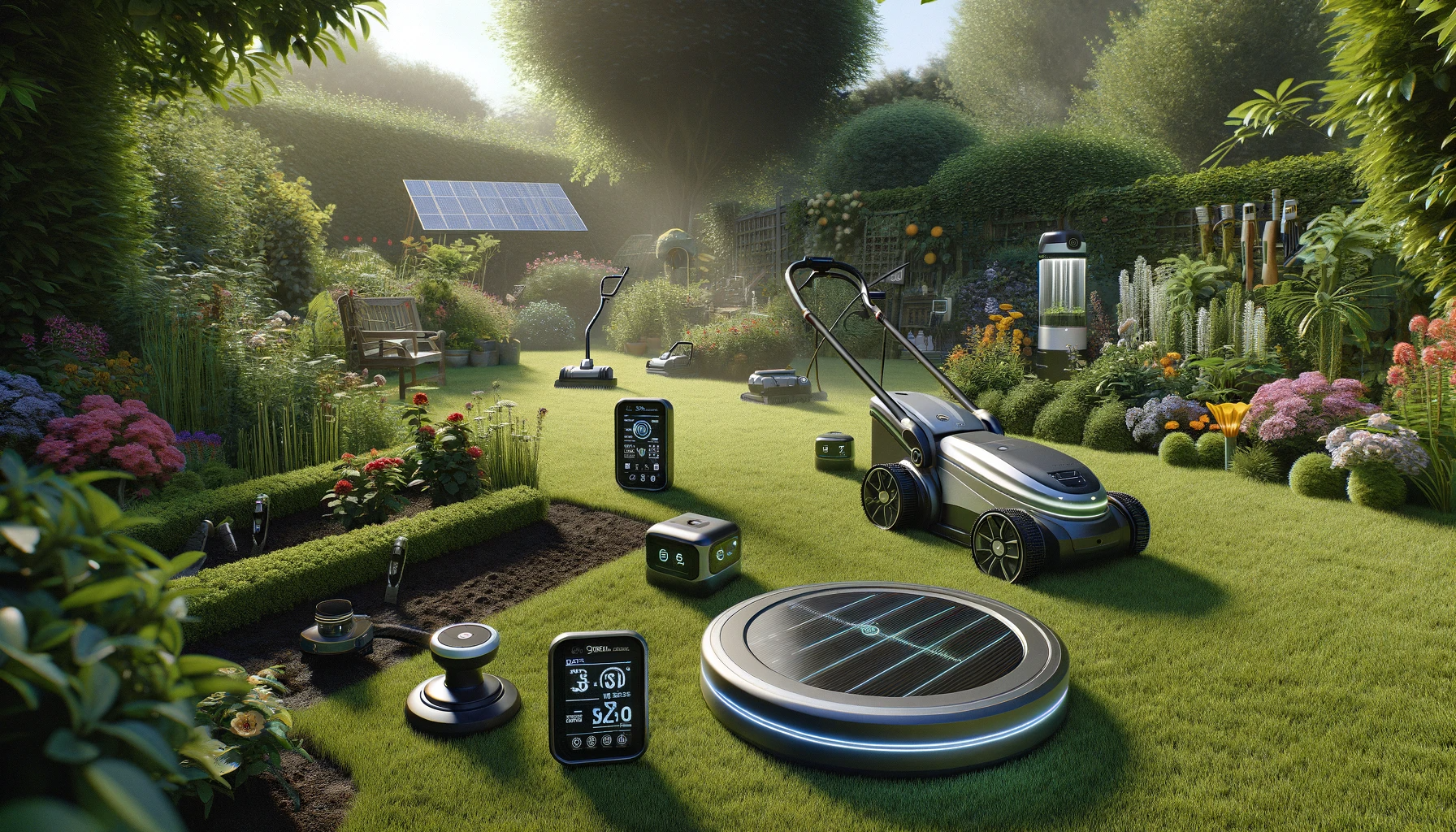
Moreover, low voltage pumps can be powered by Solar panels as well.
Low voltage pumps can sometimes work out cheaper in the long run due to low power consumption.
Have said that, our experience shows that 240v pumps are more popular among pond enthusiasts than low voltage pumps.
Solar Pumps :
Whilst solar pumps are great for the environment and can work out cheaper to run, solar pumps are not like your normal powered pumps.
There are Pros & Cons of using a Solar pump. We have listed some of the Pros & Cons of a Solar submersible pumps for you below.
Pros :
- Green energy, hence eco-friendly
- Low or no running cost
- Low voltage
- No long power cables running from power source
Cons :
- Cannot run at nights unless you have battery back-up
- Need a shade free location for the panels
- Cost of solar pumps can be expensive compared to a similar capacity powered pump
Flow Rate:
All pumps have a set flow rate. Usually these are termed as Litres per hour (LPH). This as the name suggests, informs the buyers the amount of water it can pump for a given period of time. For. e.g, 1500LPH or 1500 L/hour, means that the pump is capable of pumping 1500 Litres per hour. The flow rate is the maximum the pump is rated to flow water at. However, this flow rate is dependent on another factor. The Head height or the pump head.
Pump head or head height :
Head is the maximum height that a pump can move water against gravity. The best example of this is if you have a vertical pipe extending straight up from the pump’s outlet. A submersible pump with 5m of head, will pump water up the pipe 5m from the discharge outlet. However, as the head height increases, the flow rate decreases. At 5m the pump will literally have zero flow rate.
So this parameter is critical when deciding the pump, as depending on your requirement you want to make sure that the pump is capable of doing it’s job.
Cable length :
Make sure that when purchasing the pump, you calculate how far away is an electrical plug point from the pond or the location of pump usage. 240v pumps can be easily extended with outdoor extension cables. Most of the models at Rock Around The Block come with 5, or 10m cable lengths. If you want to extend a low voltage pump, make sure to use an outdoor rated low voltage cable, like the Bambach 3.3m2 tinned LV cables.
Inlet and outlet sizes :
Depending on the model, the inlet and outlet sizes vary. Whilst most of the models are BSP threaded, you will need to select the inlet / outlet size of your preference. The most common outlet sizes are 12mm, 19 or 20mm, 25mm, 32mm, 38mm & 40mm. Most of the pumps come with a hose tail adapter with different outlet sizes. Once you determine your size, you can choose the tubing accordingly. The tubing also come in sizes that suit the inlet / outlet. Make sure to choose a outdoor rated, spiral tubing, to avoid kinks and cracks down the line. At Rock around the Block, we have High Quality Ribbed Spiral tubing from Total Rubber and PondMAX.
Fountain or waterfall?
A submersible pump can be used effectively for both a fountain and waterfall. Select the model that you need after reading the pump description. If you need a fountain, then there are models that come with complete fountain attachment. All you need to do is attach the fountain head you need, immerse the pump, and off you go!
On the other hand, if you need a water fall or the water to just circulate in the pond, then choose models without the fountain head attachment, as this will save some money.
Other aspects :
Check the size of the pump itself, if you have to place the pump in a tight spot, usually inside a water feature or fountain.
Check the warranty on the pump. Usually, the impellers are not covered under warranty, however the motor, which is the key to a pump, are covered.
Spare parts :
When buying a pump, make sure that there are spare parts available as, except the motor, all other parts can replace. The most popular spare parts are Impeller or pump rotor, the Foam filter, etc. These are usually DIY as they are very easy to replace them. At Rock Around The Block, all our pumps have ample spare parts and we help you with any other special part if you need tham.