



Tips for success with Drip Irrigation and Soaker hose usage
Tips for success with Drip Irrigation and Soaker hose usage:
- - Choose the Watering hose type: Soaker hoses can be of two primary types:
- - A flexible plastic tubing with tiny holes that slowly drip water into the soil.
- - A hose made using porous material that leaks or seep water all along its length.
Choose the appropriate hose based on your garden’s layout and watering needs.
You can also choose to use individual Drip Emitters if you have sections of unplanted areas.
However, be mindful that installing large number of Drip Emitters will be time consuming.
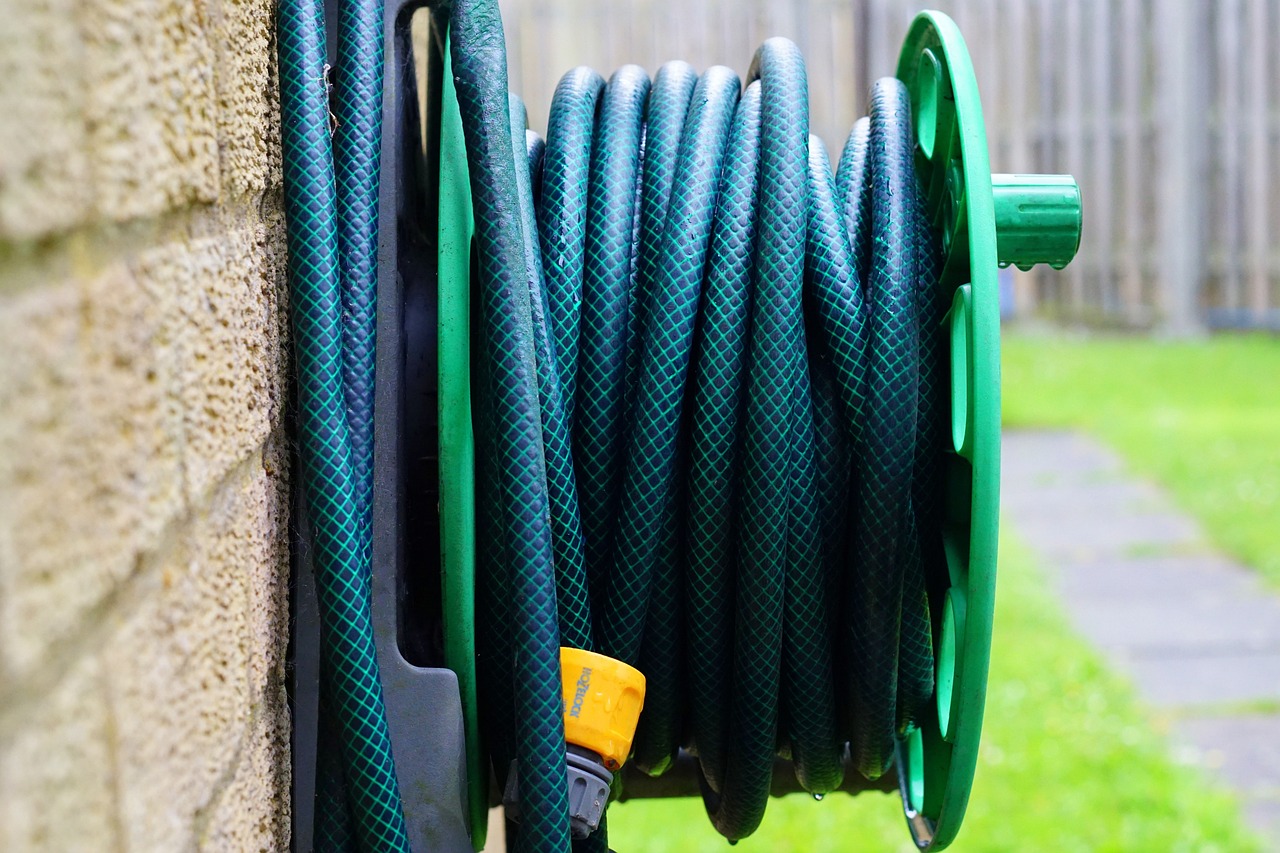
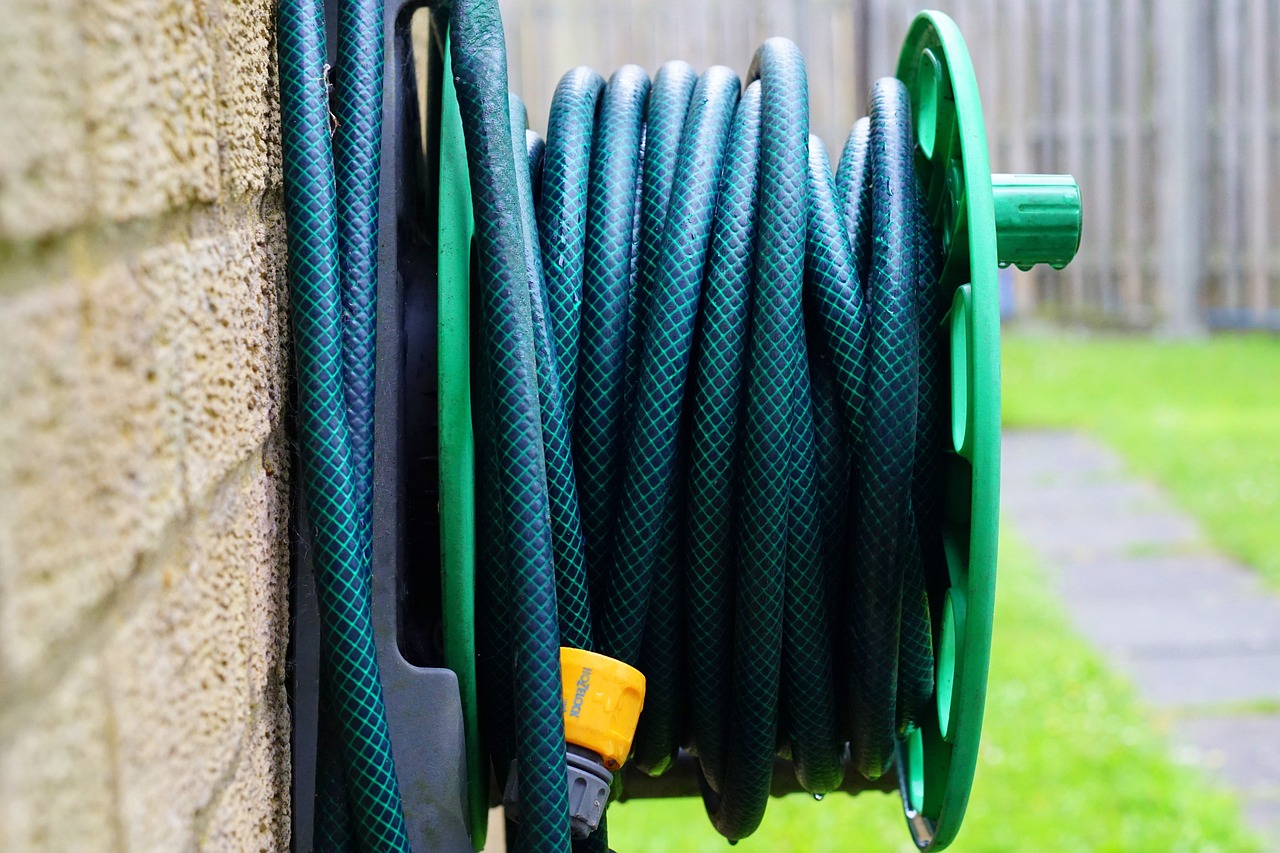
- - Connecting Soaker hose to water faucet: Use a watering hose to connect the soaker hose with the tap outlet to put water exactly where it’s needed most - at the root zone – and avoid unnecessary wastage of water.
- - Cover it but don’t bury deep: Lay the soaker hose on the surface or under thick mulch so they can be easily located and moved before digging or planting. Do not bury them deep in the soil to avoid accidental damage during replanting.
- - Setting up water controls: This choice depends on your liking and level of automation preference. Choice is available to have a Manually controlled system in which you turn on or off the water or an Automated timers which will help to the watering schedule.
- - Perfect the watering timing based on your gardening needs: Start by running your soaker hose for about 15-20 minutes on alternate days. After a watering day, check the soil to see if the moisture has penetrated several inches, then increase or decrease the frequency & watering length as needed. When you find the magic number for your conditions, use a Tap Timer to consistently water at this frequency. It is important to note that too much water can also cause plant health problems same as too little water.