




FAQs on Swimming or Bathing Pond
What is a Bathing pond?
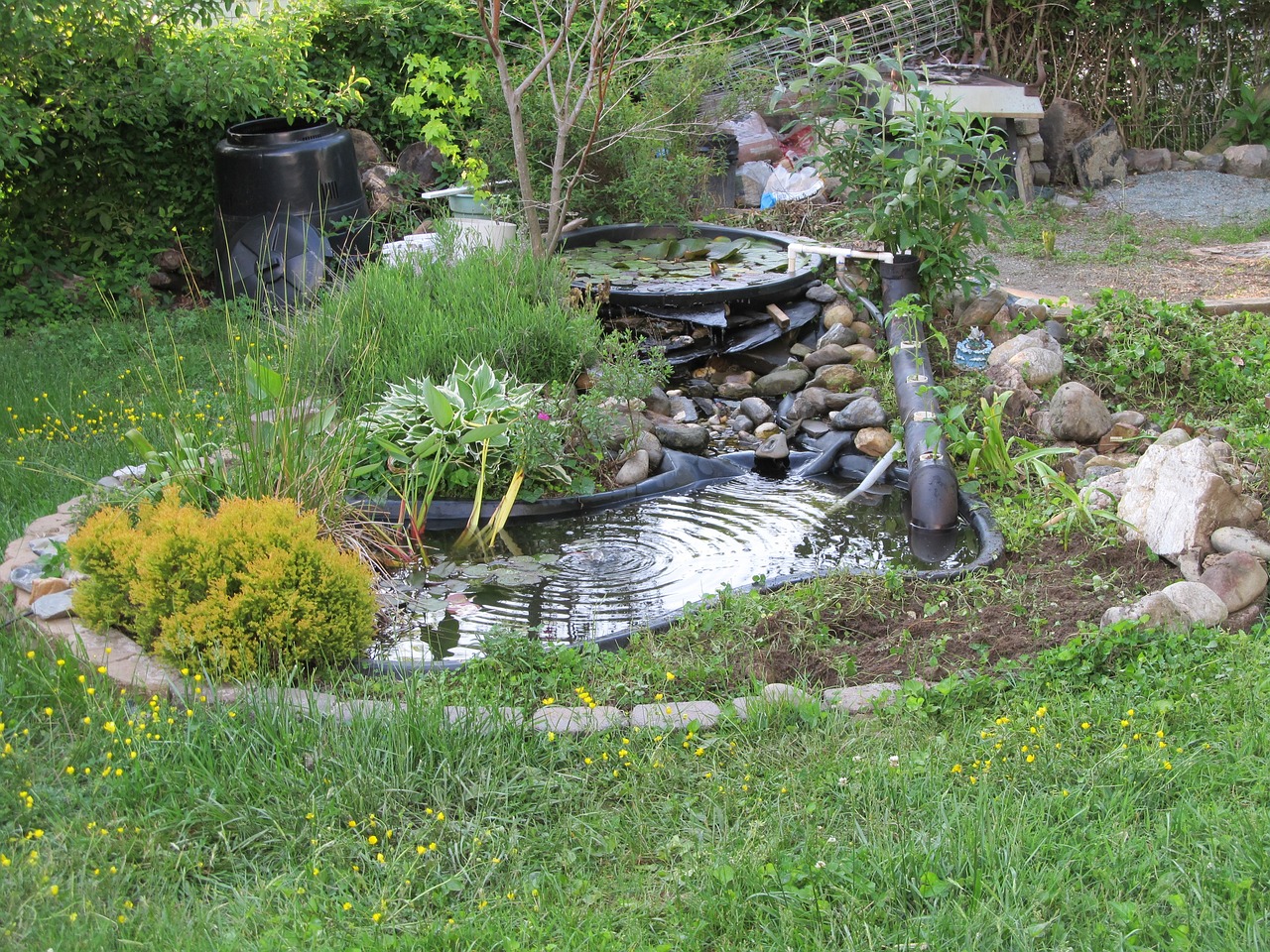
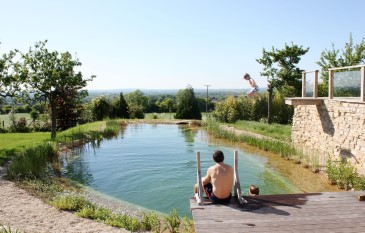
A Swimming pond (or Swim pond) or Bathing pond is essentially a pond that is large enough to be used for recreational swimming purposes. It differs from a swimming pool in the way the water in the water body is cleansed. While the water in a swimming pool is cleansed with chemicals, typically Chlorine, the swimming pond uses a non-chemical filtration system. Swimming in clear water, free of chemicals, becomes a very enjoyable and relaxing experience, as the lack of chlorine means no stinging in your eyes.
Naturally, swimming ponds and swimming pools differ considerably in their equipment. A swimming pond uses combination of externally installed Skimmers, Biological filters, Filter pump, and plants to break down pond wastes, and converting them into less harmful compounds which is absorbed by aquatic plants.
Can you swim in a swimming pond with a submersible pump?
It is utmost essential to know that a 240V submersible pump should never be installed inside a Swimming Pond. Despite their durable and insulated construction, submersible water pumps present severe safety hazards and should never be used in ponds meant for swimming.
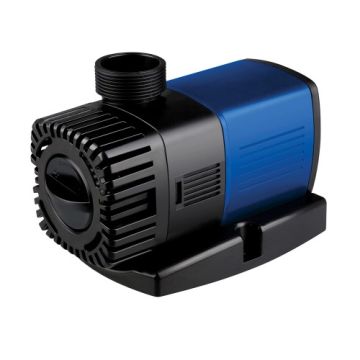
The most recommended option is to use an inline pump that will be installed outside the pond, below water level usually in a box or pump chamber. Below listed are some popular submersible pumps that can also be dry fitted outside the pond. These pumps are far more energy efficient than traditional pool pumps.
- Resun King Series, Aquasyncro CROC Series, Sealion Series
- PondMax EVOII Series
- Aquascape EcoWave Series
- Oase AquaMax Series
What should I do to ensure that my swimming pond is clean?
- Line the pond bottom with EPDM or equivalent heavy-duty liners – Doing so not only makes the pond safer for us but also support adequate water retention and to keep sediment and other debris out to make it easier to maintain.
- Ensure lawn pesticide runoff into the water body – If you have a lawn adjacent to the swimming pond, it is likely that rainfall or garden flooding may cause pesticides to enter your swimming pond through water runoff. This must be prevented by providing pond edging.
- Regularly test the water quality – Prevention is certainly better than cure. Regular water quality check will help to detect nutrient imbalances at an early stage. If left too late, it may require a complete change of pond water.
- Regularly remove floating debris and insects - While beneficial bacteria break down the dead organic matter and debris in the pond, having too much of it will result in them not being able to decompose it quickly enough. Hence regularly skimming fallen leaves, twigs and dead insects is critical for pond health. Pond Pump provides an effective solution.
- Ensure constant movement of water – This could be achieved by operating your pond pump throughout. As water is pulled into the pump, it traps oxygen molecules that nourish pond life. When Pond water stops moving, it reduces the oxygen intake from the air at the surface. This makes the pond a friendlier environment for the harmful anaerobic bacteria, that may result in algae boom. Continual operation of the pond pump will assist with aerating the pond water.
- Install an adequate Filter pump & Biological filter setup – Pump is the lifeblood of any pond as it helps to create a healthy ecosystem. While a good Filtration system will reduce the stress on the Swimming pond’s water caused by the extremes of the climate & decaying organic matter. It is effectively a very efficient sewage treatment plant for the pond. A correct pairing of a pump and filter must take into account the capacities of both the units and will help to ensure that all the water pushed out by the pump will be fully cleansed by the filter.