








Winter Care Expert Tips for Rose
Winter care is crucial for roses to protect them from harsh conditions and ensure their health and vitality. These few tips may come in handy during this winter season.
-
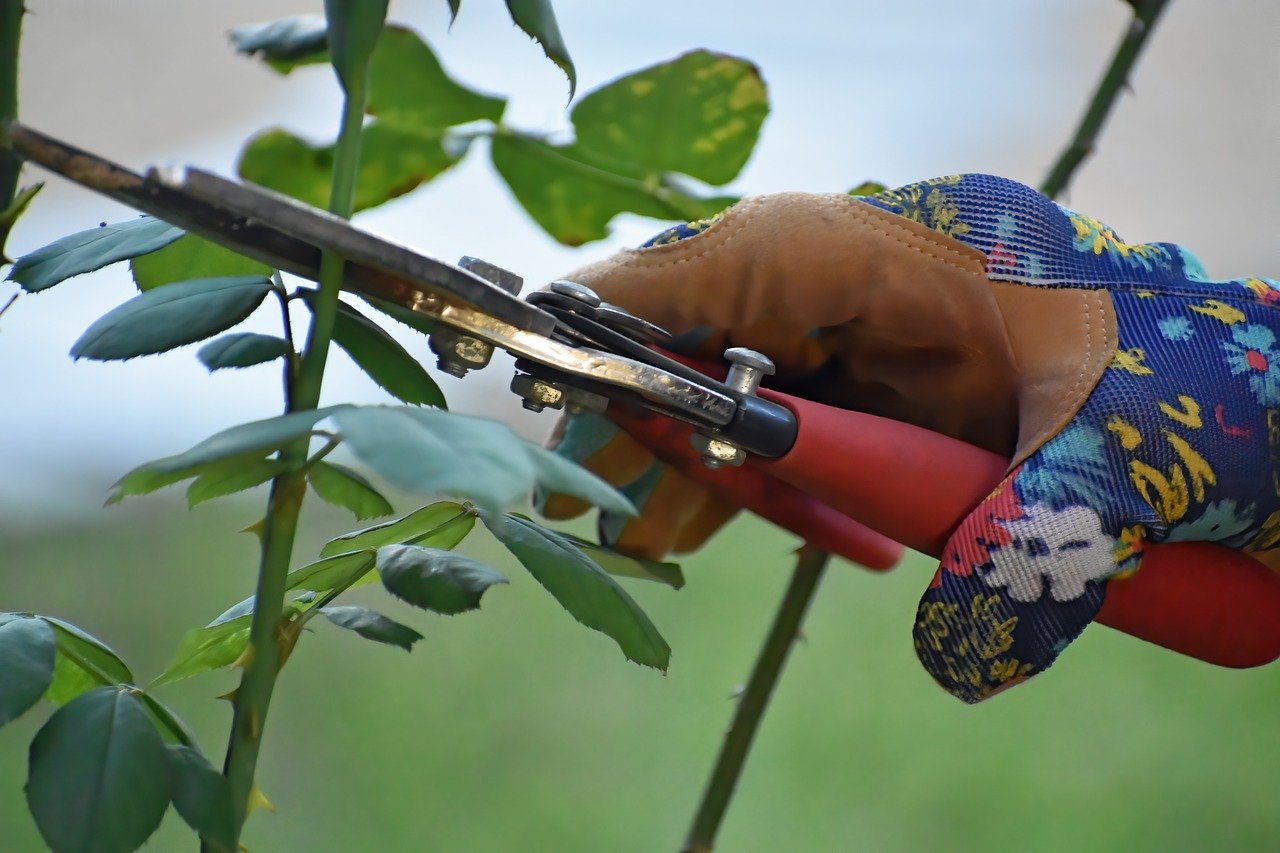
Pruning: Prune your roses in late winter or early spring before new growth starts. Remove any dead, damaged, or diseased wood, as well as weak or crossing branches. Pruning helps promote healthier growth, improves air circulation, and prevents disease.
-
Mulching: Apply a layer of organic mulch around the base of your roses to insulate the soil and protect the roots from extreme temperature fluctuations. Use materials such as straw, wood chips, or shredded bark. Mulch also helps retain moisture and suppresses weed growth.
-
Watering: Water your roses thoroughly before the ground freezes. Adequate hydration helps prevent dehydration during the winter months. However, be mindful of excessive watering, as waterlogged soil can lead to root rot. Monitor the soil moisture and water only when necessary.
-
Hilling up soil: For hybrid tea roses and other grafted varieties, consider hilling up soil around the base of the plant in late fall. This involves adding soil around the bud union (the swollen area where the rose is grafted onto the rootstock). The extra soil provides insulation and protects the bud union from freezing temperatures.
-
Wrapping or covering: In regions with extremely cold winters, consider wrapping or covering your roses to provide additional protection. You can use burlap or horticultural fleece to wrap the canes and tie them gently together. This helps prevent damage from freezing winds and temperature fluctuations.
-
Pest and disease management: Inspect your roses carefully before winter and address any pest or disease issues. Treat or remove any infected or infested plant material to prevent overwintering pests or diseases. Applying dormant oil or organic insecticides can help control pests.
-
Remove fallen leaves: Clean up and remove any fallen leaves from around your rose bushes. Leaves left on the ground can harbor fungal diseases and provide a breeding ground for pests. Proper sanitation reduces the risk of diseases spreading to the next growing season.
-
Protect container roses: If you have roses in containers, move them to a sheltered location, such as a garage or shed, to provide protection from freezing temperatures. Insulate the containers with bubble wrap or straw to prevent the roots from freezing.
-
Avoid fertilization: Cease fertilizing your roses in late summer to allow them to harden off and prepare for winter dormancy. Fertilizing late in the season can encourage new growth, making the plants more vulnerable to winter damage. Resume fertilization in early spring.
-
Monitor during winter: Occasionally check on your roses during winter, especially after severe weather conditions. If any canes or branches have suffered damage, prune them back to healthy wood in early spring to encourage new growth.