





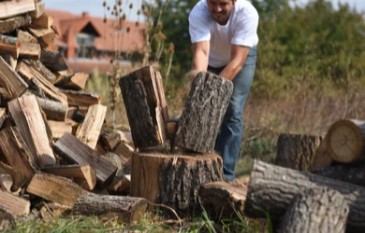
Tips on Wood Splitting during Winter season
Splitting wood during the winter season can be more challenging due to the cold temperatures and potential for frozen or wet wood.
However, with the right techniques and tools, you can still effectively split wood. Here are some tips:
-
Choose the right wood: Select wood that has been properly seasoned or dried. Seasoned wood splits more easily than green or freshly cut wood. It's best to split and stack wood during the warmer months, allowing it to dry out and be ready for use in winter.
-
Prepare the wood: If the wood is frozen, try to thaw it slightly before splitting. You can bring it indoors or place it in a sunny spot for some time to allow it to thaw. Avoid splitting wood that is completely frozen, as it can be more difficult and may damage your tools.
-
Use proper safety gear: Wear appropriate safety gear, including safety glasses, gloves, and sturdy footwear. Splitting wood can be dangerous, so it's important to protect yourself from potential injuries.
-
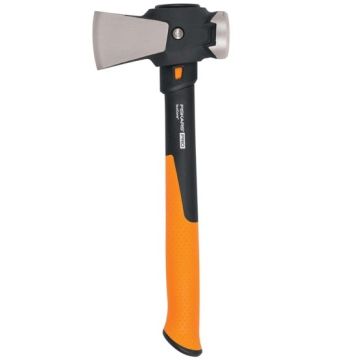
Maintain your tools: Ensure your splitting tools, such as an axe, maul, or wedge, are in good condition. Sharpen the blade if necessary, as a sharp tool will be more effective and reduce the risk of accidents. Check the handle for any cracks or damage, as a sturdy and secure handle is essential.
-
Split along the grain: Examine the wood and identify the natural grain lines. Position the log on a stable surface, such as a splitting block or a large round of wood, with the grain running vertically. Aim your strikes along the grain to take advantage of the wood's natural splitting tendencies.
-
Use proper technique: Stand with your feet shoulder-width apart and maintain a firm stance. Hold the tool with both hands, placing one hand closer to the head and the other at the end of the handle. Lift the tool above your head and bring it down in a controlled manner, focusing the force on the wood's center. Repeat the motion until the wood splits.
-
Use a splitting maul or wedge: A splitting maul or wedge is typically more effective for splitting larger logs. Position the maul or wedge on the log, ensuring it's centered along the grain. Use a sledgehammer or another heavy object to strike the back of the maul or wedge, driving it into the wood and causing it to split.
-
Split smaller pieces: If you're facing particularly challenging or frozen wood, consider splitting it into smaller, more manageable pieces. Smaller logs or sections of wood are often easier to split compared to larger, more stubborn logs.
-
Stay warm and take breaks: Dress warmly in layers to protect yourself from the cold. Take regular breaks to warm up if needed, as the cold weather can be physically demanding.
-
Practice proper lifting techniques: When handling split wood, remember to use proper lifting techniques to prevent strain or injury. Lift with your legs, not your back, and avoid overexerting yourself.