



Tips to maintain a Fish Pond in Winter season
Maintaining a fish pond during the winter season requires special care to ensure the health and well-being of the fish.
A few tips to help you effectively maintain a fish pond in winter:
-
Monitor water quality: Regularly test the water quality parameters such as pH, ammonia, nitrite, and nitrate levels. Cold water can affect the balance of these parameters, so it's important to ensure they remain within appropriate ranges for the specific fish species in your pond.
-
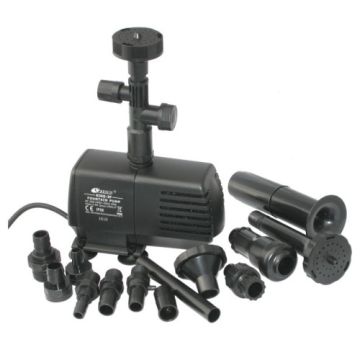
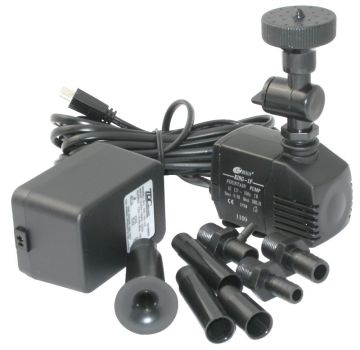
Provide adequate oxygenation: As the water temperature drops, the oxygen-carrying capacity of the water decreases. Install a pond aerator or a small air pump to provide additional oxygenation. These devices help maintain sufficient oxygen levels for the fish, even in colder temperatures.
-
Adjust feeding schedule: As fish's metabolic rates slow down in colder temperatures, their feeding requirements decrease. Feed the fish sparingly, using a high-quality cold-water fish food that is easily digestible. Monitor their feeding behavior and adjust the quantity accordingly.
-
Remove excess debris: Remove any fallen leaves, twigs, or other debris from the pond surface regularly. Decomposing organic matter can release harmful gases and negatively impact water quality. Use a pond net or skimmer to keep the surface clean.
-
Protect from predators: Predators, such as birds or other animals, may be more attracted to your pond during winter when food sources are scarce. Install a protective netting or cover over the pond to deter predators and prevent fish loss.
-
Insulate the pond: If you live in an area with extremely cold temperatures, you can consider insulating the pond to help moderate the water temperature. Cover the pond with a layer of straw, leaves, or a pond-specific insulation material to provide some insulation against the cold.
-
Minimize disturbances: During winter, fish are more vulnerable and less active. Minimize disturbances around the pond to avoid stressing the fish. Avoid loud noises, excessive movement, or sudden temperature fluctuations near the pond.
-
Consider adding a pond heater or heat source: In areas with extremely cold temperatures, you may need to use a pond heater or a heat source specifically designed for ponds. These devices help maintain a stable water temperature and prevent the water from freezing completely.