




How to effectively prune during winter season?
Pruning during the winter season can be beneficial for many plants, as they are dormant and it's easier to see the plant's structure without foliage.
Here are some tips for effectively pruning during winter:
- Choose the right time: It's important to prune during the right time in winter when the plant is fully dormant. This typically occurs after the coldest part of winter has passed but before the plant starts actively growing again in spring. Timing can vary depending on the specific plant, so it's helpful to research the ideal pruning time for each type of plant.
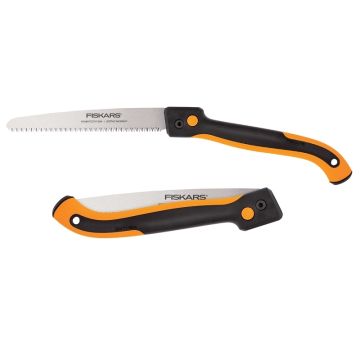
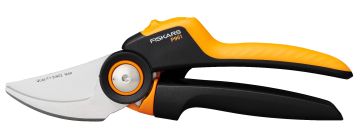
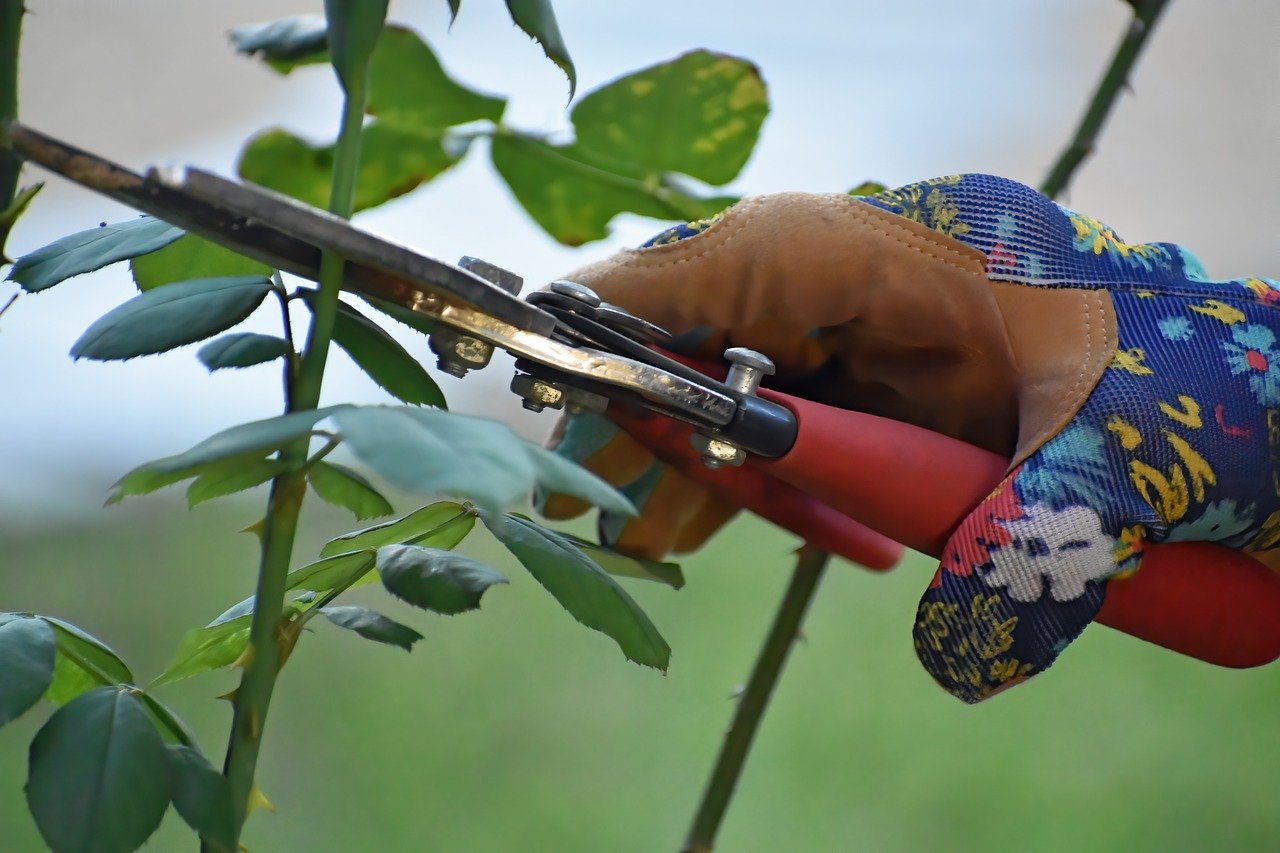
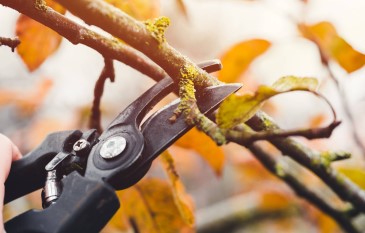
- Use the proper tools: Make sure you have the appropriate pruning tools for the job. Hand pruners are suitable for small branches (up to ¾ inch in diameter), while loppers or pruning saws are better for larger branches. Ensure your tools are clean and sharp to make clean cuts.
- Remove dead or damaged branches: Start by identifying and removing any dead, diseased, or damaged branches. These can be a breeding ground for pests and diseases, so eliminating them helps to maintain the plant's health. Cut back to healthy wood just above a bud or branch collar.
- Thin out crowded growth: Look for branches that are crossing, rubbing against each other, or overcrowding the center of the plant. Thinning out excess growth allows more airflow and sunlight penetration, reducing the risk of disease and promoting better overall plant health. Remove selected branches back to their point of origin or to the main trunk.
- Shape and maintain structure: Prune to shape the plant and maintain its desired structure. This may involve cutting back long branches to encourage bushier growth or removing any unwanted shoots. Follow the natural form of the plant and avoid excessive pruning, as this can stress the plant and reduce its vigor.
- Consider flowering plants: If you have flowering plants, research their specific pruning requirements. Some plants produce flowers on new growth, so pruning in winter stimulates better blooming in the coming season. Others, however, may bloom on old wood, in which case you should avoid winter pruning to prevent the loss of flowering.
- Clean up and dispose of pruned material: After pruning, be sure to clean up and dispose of the pruned branches and debris properly. This helps prevent the spread of diseases and pests. You can either compost the healthy material or dispose of it in a green waste bin if available in your area.