



Winter Garden Care Tips
Winter garden care is crucial for maintaining the health and vitality of your plants during the colder months. We have put together some essential tips to help you better take care of your garden during winter season.
- Clean up: Remove fallen leaves, dead plant debris, and any other accumulated organic matter from your garden beds. This prevents diseases and pests from overwintering and reduces the chances of fungal infections.
- Mulch: Apply a layer of organic mulch, such as wood chips or straw, around the base of your plants. Mulch helps insulate the soil, conserves moisture, and protects plant roots from extreme temperatures. It also inhibits weed growth.
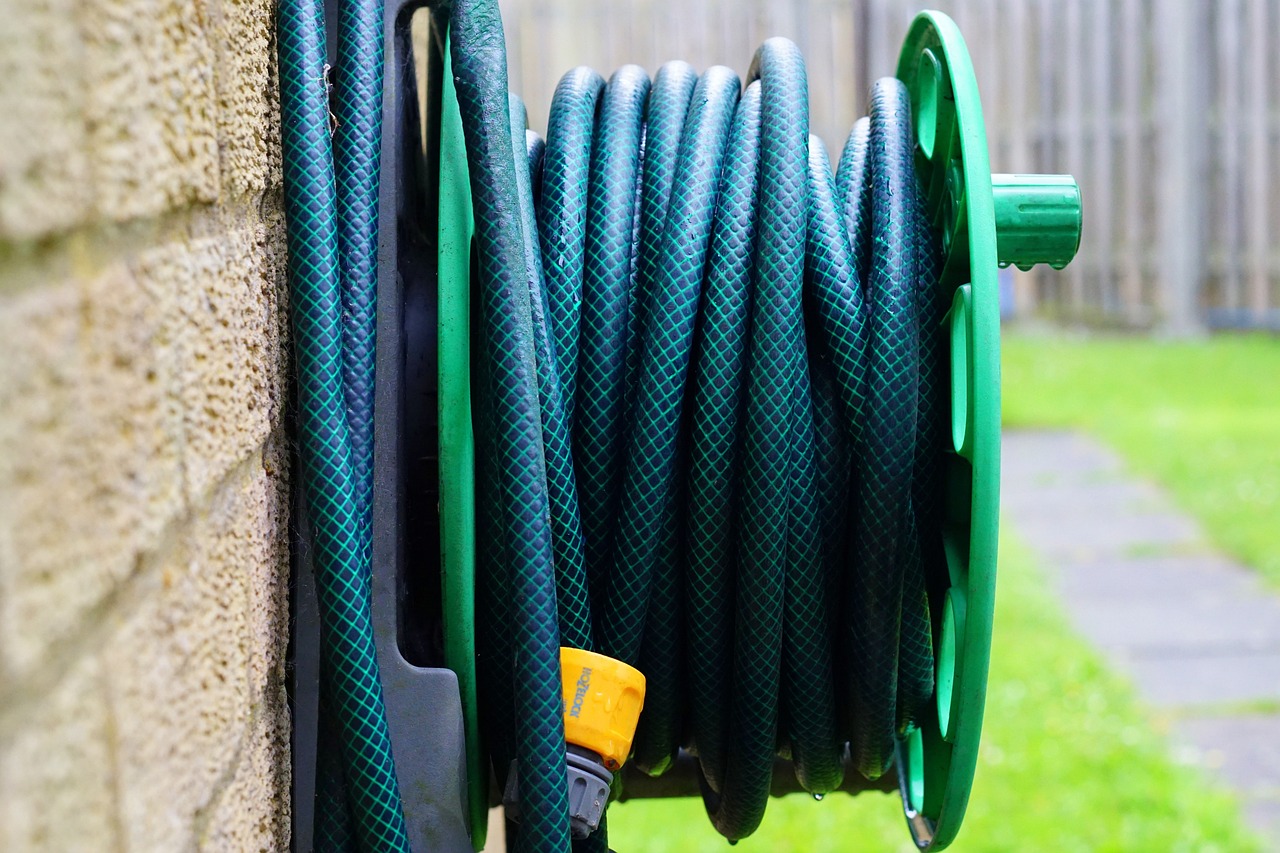
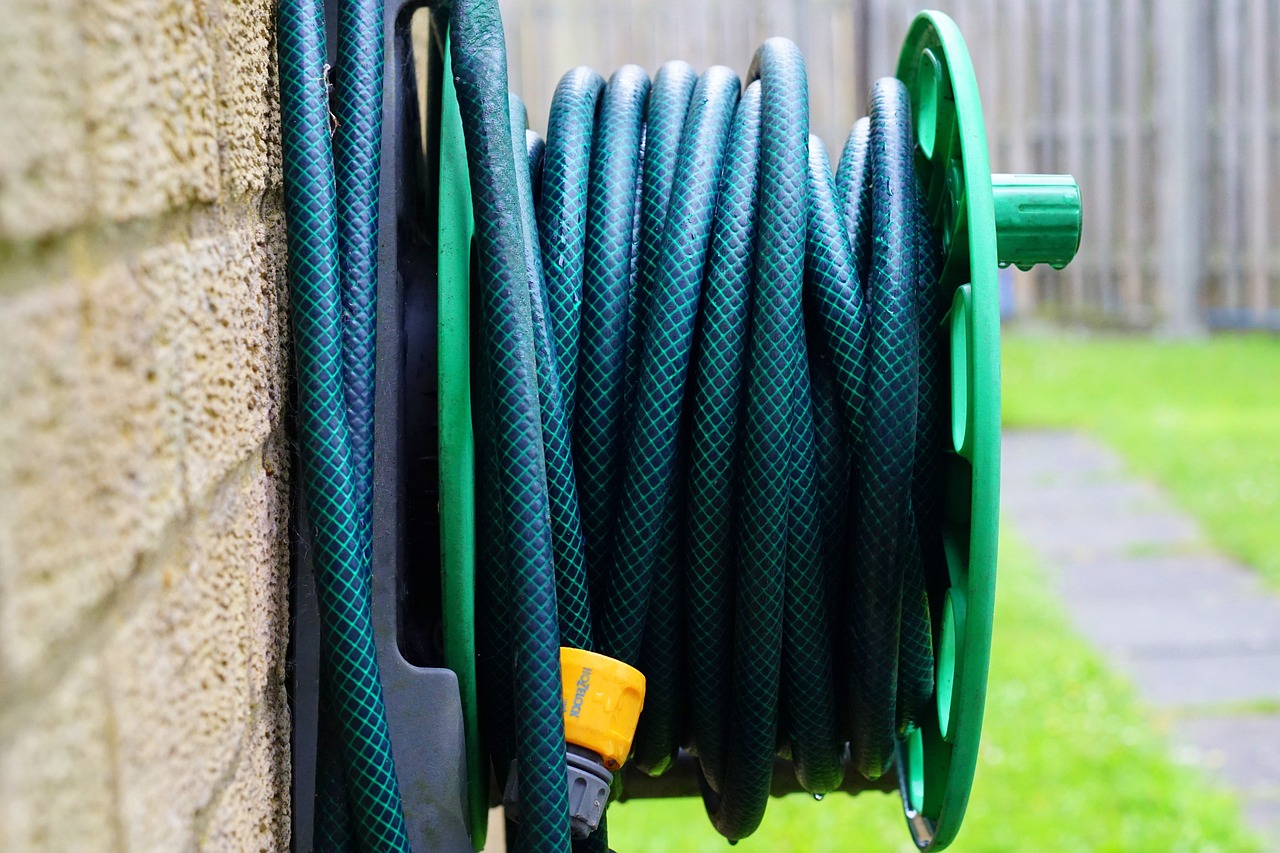
- Watering: Water your plants appropriately, considering the reduced evaporation rates during winter. Be cautious not to overwater, as excessive moisture can lead to root rot. Water only when the soil feels dry to the touch, but avoid letting it completely dry out.
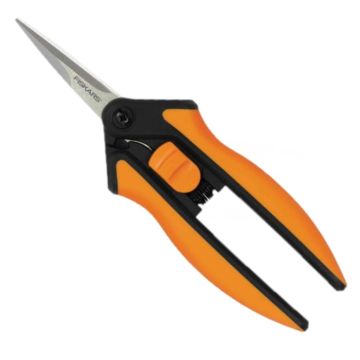
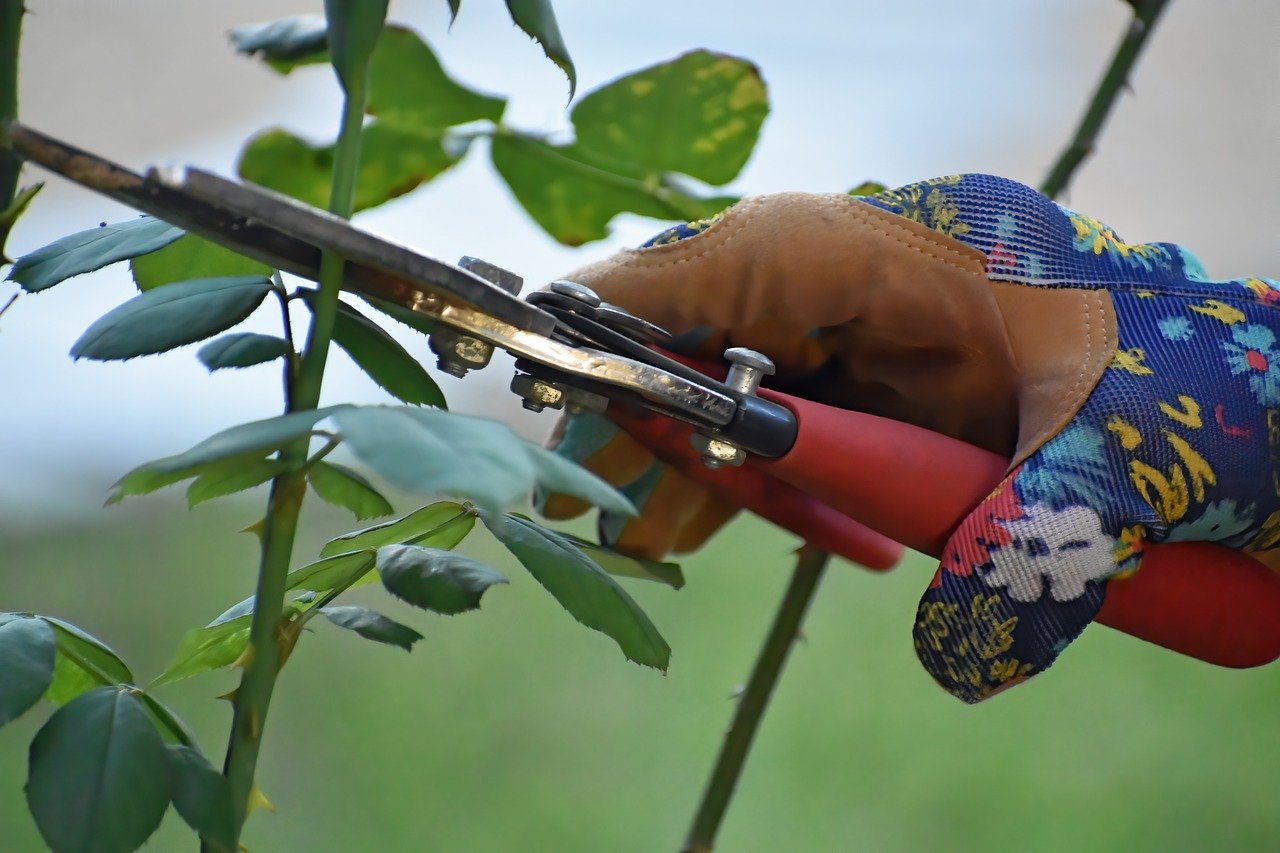
- Pruning: Prune your deciduous trees and shrubs during late winter or early spring, while they are still dormant. Remove any dead, damaged, or crossing branches. Pruning promotes healthier growth and improves the overall structure of the plant.
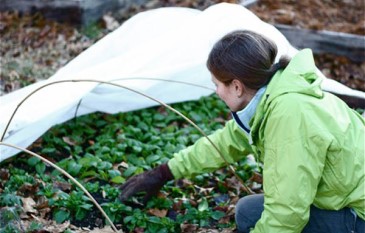
- Protect delicate plants: If you have delicate plants that are susceptible to frost or freezing temperatures, provide them with protection. Use frost blankets, row covers, or cloths to cover vulnerable plants overnight. You can also move potted plants indoors or to a sheltered area during severe cold spells.
- Fertilization: Apply a slow-release, balanced fertilizer to your garden beds before winter. This provides essential nutrients to the plants as they prepare for dormancy. However, avoid fertilizing plants that are prone to frost damage, as it can stimulate new growth that is more vulnerable to cold.
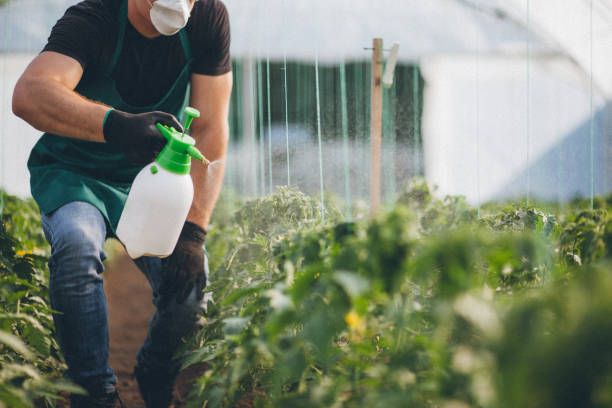
- Monitor for pests and diseases: Even though the activity of pests and diseases tends to decrease in winter, it's important to keep an eye on your plants. Inspect them regularly for signs of infestation or disease, and take appropriate action if necessary.
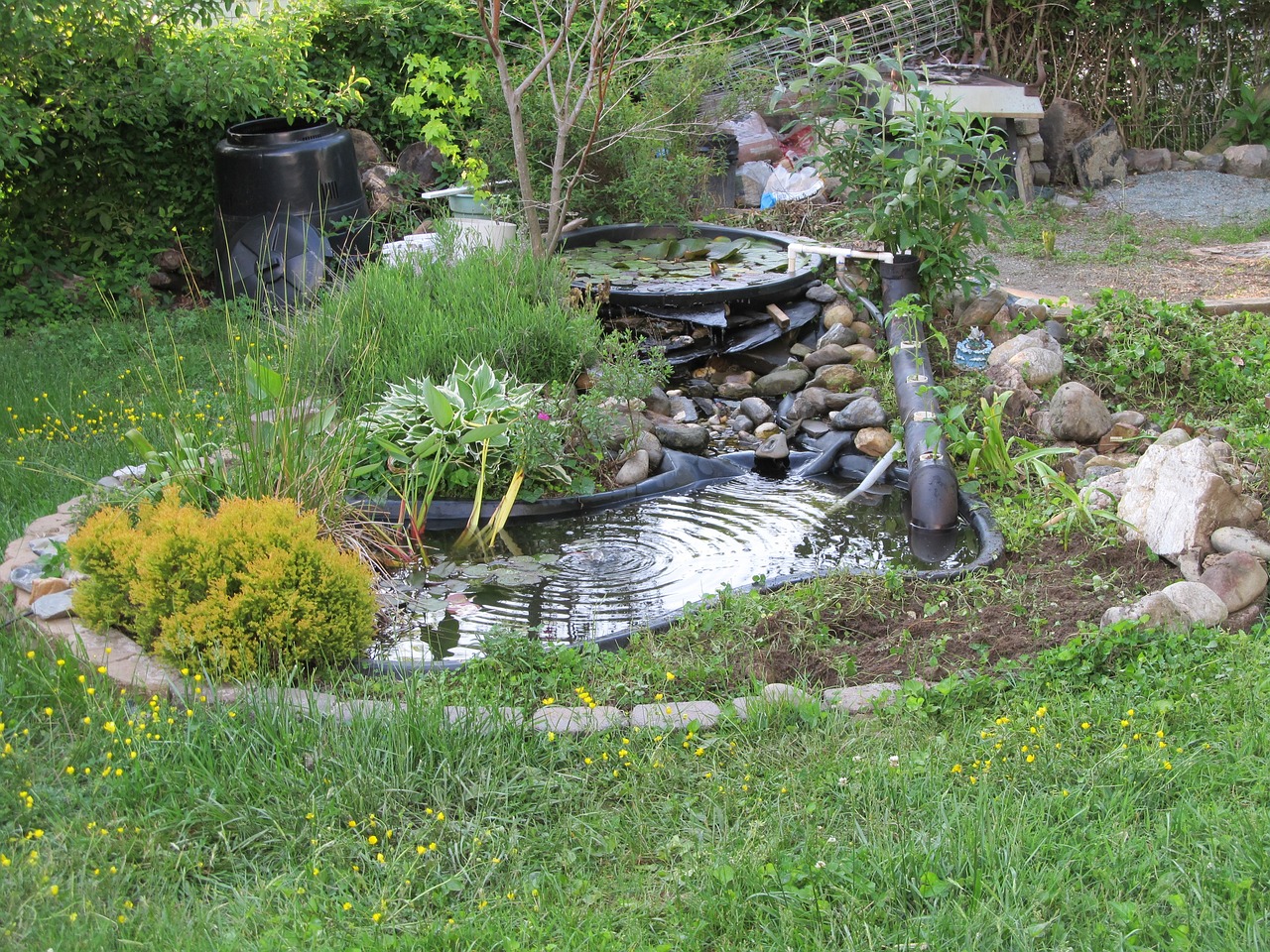
- Maintain bird feeders and shelters: Support local bird populations by providing food, water, and shelter options in your garden. Clean and refill bird feeders regularly and ensure they have access to fresh water. Consider adding birdhouses or roosting boxes to offer shelter during the colder months.
- Plan for spring: Winter is an excellent time to plan and prepare for the upcoming spring season. Research new plants, design garden layouts, and order seeds or bulbs for early planting. Take advantage of the downtime to organize your gardening tools and supplies.