



Winter Pond Care Tips
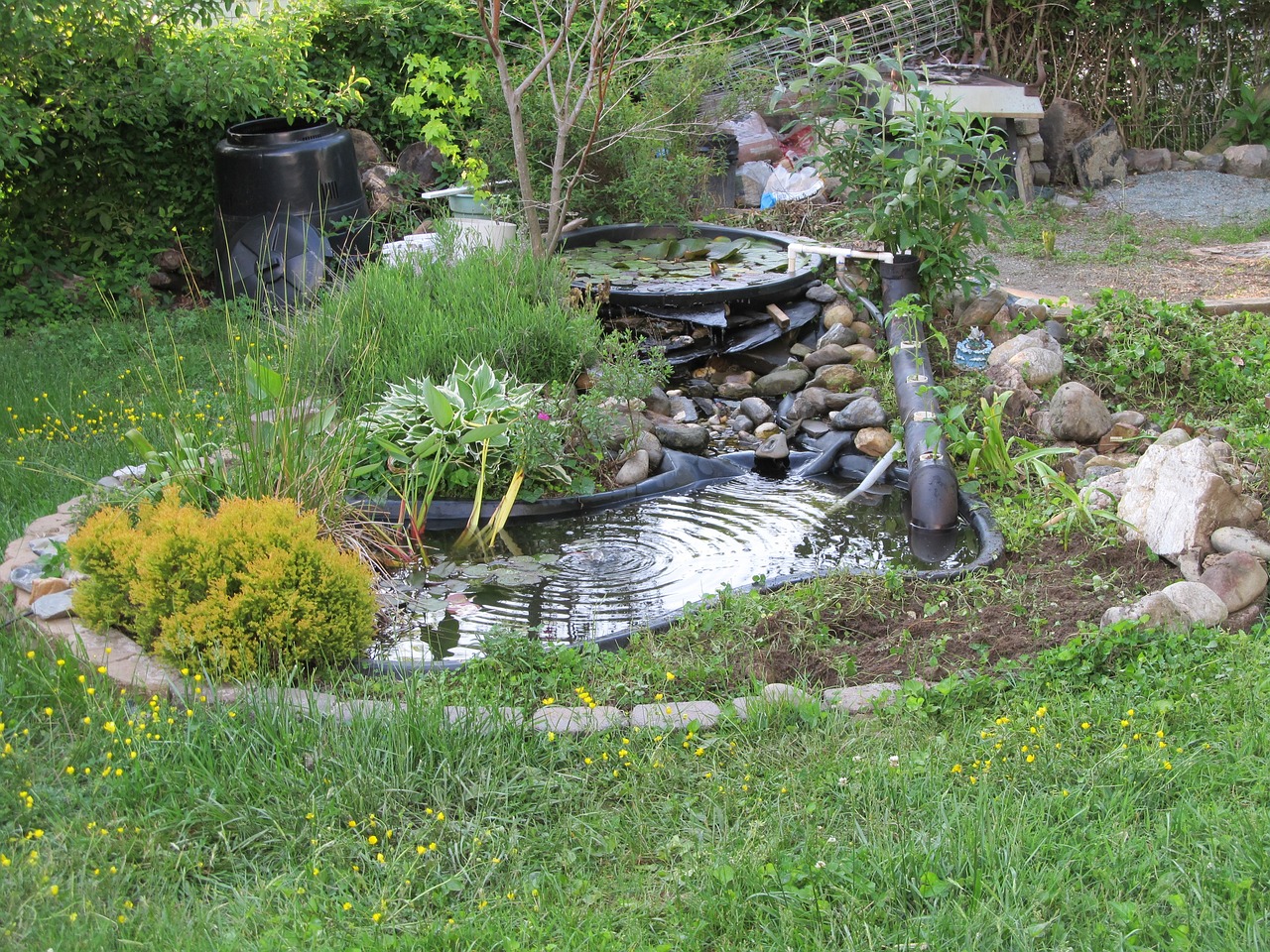
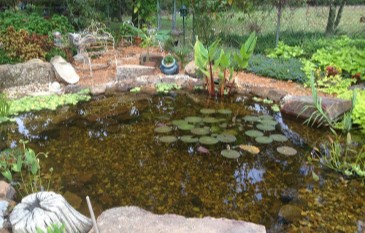
Taking care of your pond during winter is essential to ensure the well-being of its inhabitants and maintain a healthy aquatic ecosystem. With our years of experience we have collated some important winter pond care tips for you.
-
Remove debris: Before winter sets in, clean out any fallen leaves, twigs, or other debris from the surface of the pond. Decomposing organic matter can release harmful gases and contribute to poor water quality.
-
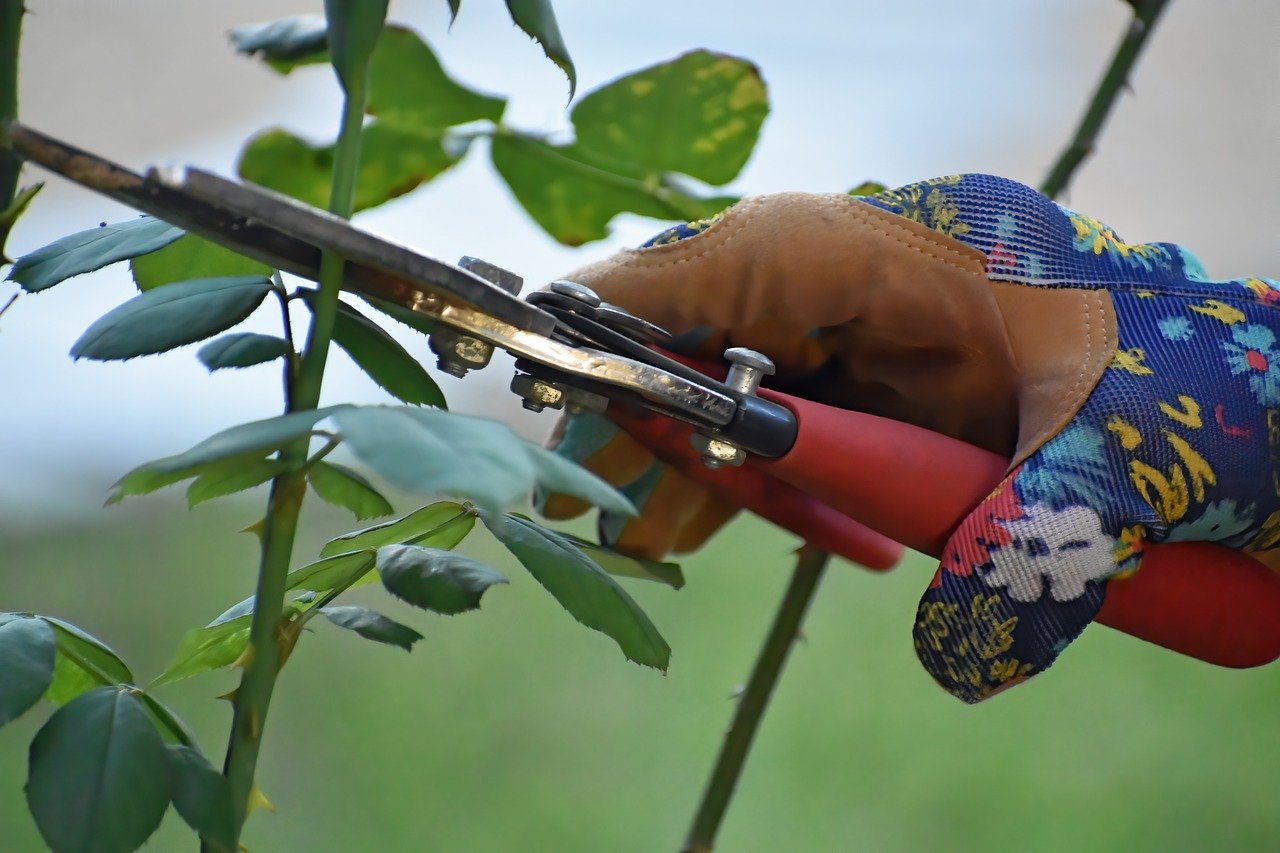
Trim back plants: Prune and trim back aquatic plants to remove any dead or decaying foliage. This helps prevent excess organic matter from accumulating in the pond and maintains a cleaner environment.
-
Netting: Use a net to cover your pond and prevent leaves, branches, or other debris from falling into the water. This also helps deter predators from accessing the pond and disturbing the aquatic life.
-
Check the water level: Ensure that the water level in your pond is adequate before winter. If necessary, top it up to compensate for any evaporation or water loss. Maintaining the proper water level is crucial for the survival of fish and other organisms during the colder months.
-
Install a pond heater or de-icer: If your area experiences freezing temperatures, consider installing a pond heater or de-icer. These devices help maintain an opening in the ice, allowing gases to escape and oxygen to enter the pond. This is important for the survival of fish and other organisms.
-
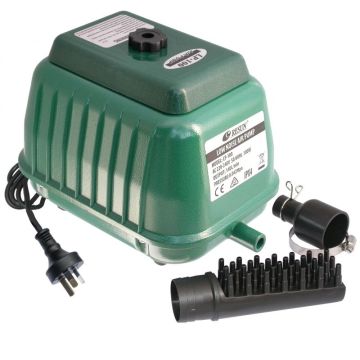
Provide aeration: If your pond doesn't freeze completely over, continue running your pond pump or aeration system. Moving water helps prevent ice formation and maintains oxygen levels. If you use a waterfall or fountain for aeration, ensure that it doesn't spray water onto the surrounding landscape, as it can create slippery conditions.
-
Monitor water quality: Regularly check the water quality parameters, such as pH, ammonia, and nitrate levels. Cold water holds less oxygen, so it's important to ensure that the water quality remains suitable for the inhabitants of the pond. If necessary, perform partial water changes to maintain good water conditions.
-
Feed fish sparingly: As the water temperature drops, the metabolism of fish slows down, and their feeding requirements decrease. Feed your fish sparingly or stop feeding them altogether when the water temperature drops below 50°F (10°C). Excess food can contribute to poor water quality.
-
Be cautious with ice removal: If your pond freezes over completely, avoid breaking the ice by force. Rapid temperature changes or aggressive ice removal can harm the fish and other organisms. Instead, place a pot of warm water on the surface to create a hole gradually.
-
Be observant: Take the time to observe your pond during winter. Look for signs of distress or issues, such as trapped gases under the ice or excessive algae growth. Address any problems promptly to ensure the health and safety of your pond's ecosystem.