



Koi Pond Winter Care Tips
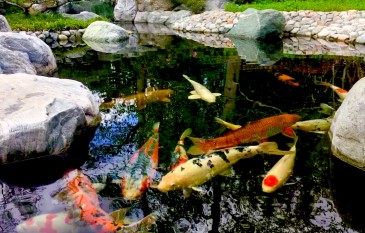
Taking care of a koi pond during winter is crucial to ensure the health and well-being of your fish.
Some essential tips for winter care of a koi pond:
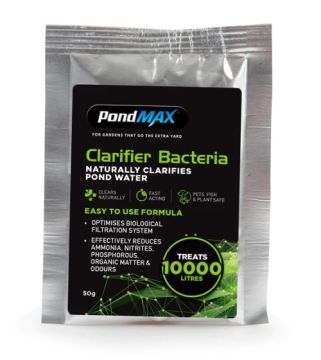
- Ensure proper water quality: Before winter arrives, test the water quality and make any necessary adjustments. Maintain proper pH levels, ammonia, nitrite, and nitrate levels to provide a healthy environment for the fish.
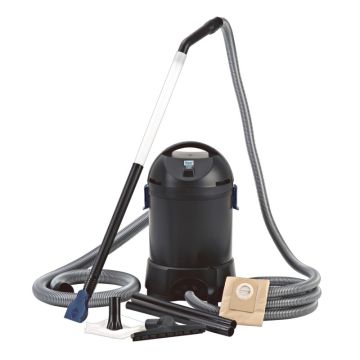
- Keep the pond free of debris: Remove any fallen leaves, twigs, or other debris from the pond surface regularly. Decomposing organic matter can release toxins and affect water quality.
- Monitor water temperature: Invest in a reliable pond thermometer to monitor water temperature throughout the winter. Koi are cold-blooded, and their metabolism slows down in colder temperatures. Aim to keep the water temperature stable, ideally between 2°C to 10°C.
- Reduce feeding: As the water temperature drops, the metabolic rate of the fish decreases. Feed your koi less frequently and with smaller amounts of easily digestible food. Once the water temperature reaches around 10°C, stop feeding your koi altogether. Feeding during colder temperatures can lead to digestive issues and poor water quality.
- Provide adequate aeration: Maintain proper oxygen levels in the pond, even during winter. Use a pond aerator or air stones to ensure sufficient oxygenation for the fish, as cold water holds less oxygen. The oxygenation also helps maintain a healthy balance of beneficial bacteria in the pond.
- Protect against predators: Take measures to protect your koi from potential predators, such as herons or raccoons. Consider installing a pond net or using deterrents to keep the fish safe.
- Insulate the pond: In extremely cold climates, consider insulating the pond to help regulate the water temperature and prevent rapid temperature fluctuations. Insulating materials like foam boards can be placed around the sides and bottom of the pond.
- Avoid drastic temperature changes: Sudden temperature changes can be harmful to koi. If you need to make any adjustments to the water or pond, do so gradually to avoid shocking the fish.
- Monitor the pond regularly: Check on your koi and the overall condition of the pond regularly during winter. Look for signs of stress, disease, or any issues with water quality. Address any problems promptly to ensure the well-being of your fish.